
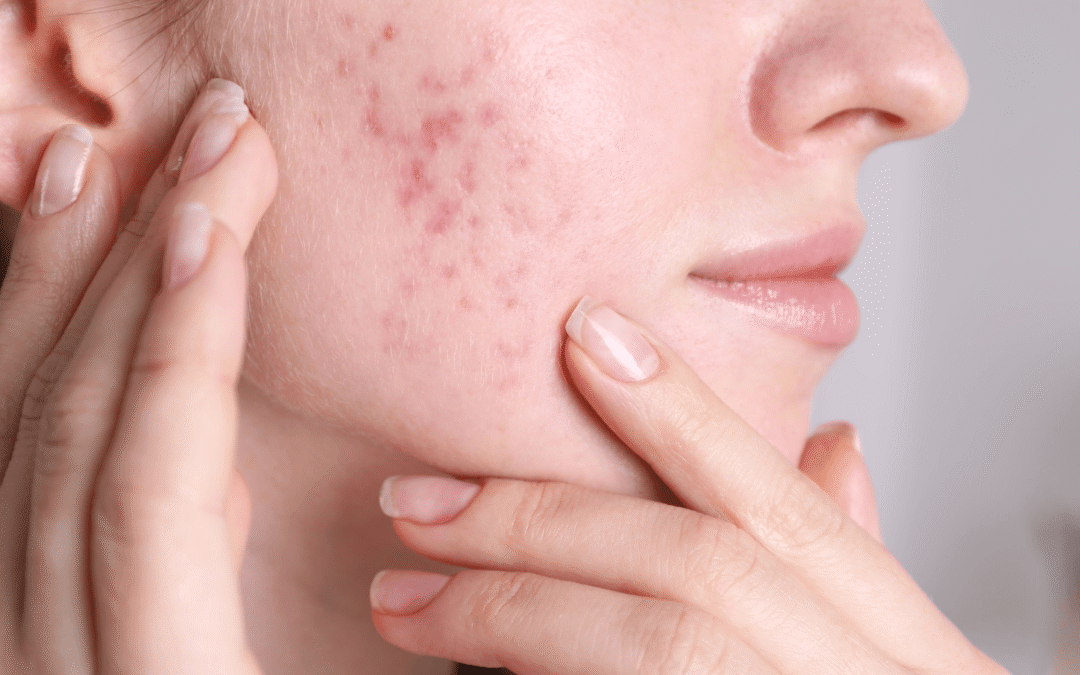
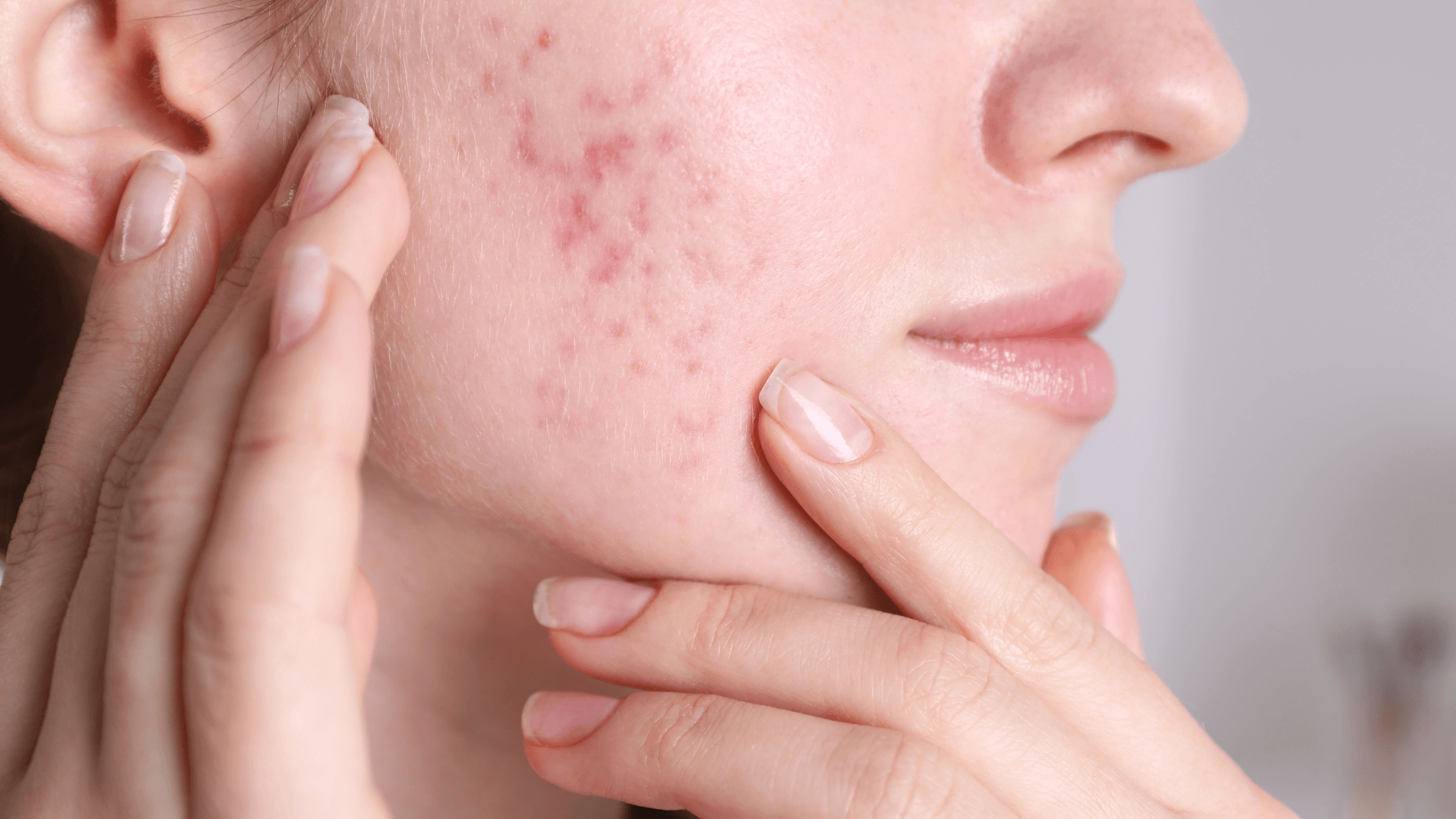
Acne isn’t just a teenage concern. Many adults experience breakouts well into their 20s, 30s, 40s, and beyond—and hormonal fluctuations can be one of the factors involved.
If you’ve noticed breakouts that appear around your menstrual cycle, during periods of increased stress, or alongside other hormonal changes, there may be more happening beneath the surface than your skincare routine alone can address.
At Perman Naturopathic, we take a holistic approach to skin wellness. Understanding the connection between hormones, oil production, stress, lifestyle, and skincare can help you make more informed choices about caring for acne-prone skin.
For those looking for support with hormonal acne in Ventura, the first step is understanding why these breakouts happen and how both internal wellness and external skincare can play a role.
What Is Hormonal Acne?
Hormonal acne is a term commonly used to describe breakouts influenced by changes in hormone levels.
Hormones called androgens can affect the sebaceous glands, which produce the natural oil known as sebum. Changes in hormonal activity may increase oil production in some individuals.
When excess oil combines with dead skin cells inside a pore, it can contribute to clogged pores and create an environment where acne can develop.
Hormonal fluctuations may occur during:
- Puberty
- Menstrual cycles
- Pregnancy and postpartum
- Perimenopause and menopause
- Periods of significant stress
- Certain medical conditions
- Changes in some medications or hormonal therapies
Because acne can have many contributing factors, persistent or severe breakouts should be discussed with an appropriate healthcare professional.
What Does Hormonal Acne Look Like?
Hormonal breakouts can look different from person to person, so appearance alone cannot determine their cause.
Some adults notice acne concentrated around the:
- Chin
- Jawline
- Lower cheeks
- Neck
Breakouts may include clogged pores, pimples, or deeper and more tender blemishes.
Timing can sometimes provide useful clues. For example, some people notice that their acne becomes more noticeable at similar points in their menstrual cycle.
Tracking when breakouts occur may help you recognize patterns that you can discuss with your healthcare or skincare provider.
Hormonal Acne Isn’t Just for Teenagers
Teenage acne is common because puberty brings significant hormonal changes, but acne doesn’t automatically disappear in adulthood.
Adults can experience new or recurring breakouts throughout different stages of life.
For women in particular, menstrual cycles, pregnancy, postpartum changes, perimenopause, and other hormonal transitions may influence the skin.
Adult acne can be frustrating, especially if you’ve never experienced significant breakouts before. But you’re certainly not alone, and caring for adult acne may require a different approach than the one you used as a teenager.
Stress May Be Part of the Picture
Stress doesn’t necessarily cause every breakout, but it can influence the skin.
When you’re stressed, your body releases hormones involved in the stress response. Stress may also affect sleep, eating patterns, digestion, and everyday skincare habits.
If you notice that your skin tends to flare during especially stressful periods, consider supporting your overall stress management alongside your skincare routine.
Helpful habits may include:
- Regular movement
- Consistent, restorative sleep
- Deep breathing or meditation
- Spending time outdoors
- Maintaining social connections
- Making time for relaxing activities
Skin wellness is another area where caring for the whole body can matter.
Can Diet Affect Acne?
The relationship between diet and acne is complex, and there isn’t one universal “acne diet.”
Research suggests certain dietary patterns may influence acne in some individuals, but food is only one possible piece of the puzzle.
Instead of eliminating large groups of foods without guidance, focus on building a balanced eating pattern that includes:
- Colorful vegetables
- Whole fruits
- Fiber-rich foods
- Quality protein
- Healthy fats
- Minimally processed whole foods
- Adequate hydration
If you believe a particular food is consistently associated with your symptoms, discuss your concerns with an appropriate healthcare professional before beginning a highly restrictive diet.
A Gentle Skincare Routine Matters
When breakouts appear, the instinct may be to scrub harder, exfoliate more frequently, or use multiple acne products at once.
Unfortunately, aggressive skincare can sometimes leave the skin dry, irritated, and uncomfortable.
A supportive acne skincare routine may include:
- Gentle cleansing
- Appropriate exfoliation
- Non-comedogenic moisturizers
- Daily sunscreen
- Products selected for your individual skin type
Consistency is generally more helpful than constantly changing products.
Avoid picking or squeezing blemishes whenever possible, as this can increase irritation and may contribute to discoloration or scarring.
Can Facials Help With Acne?
Yes, professional facials can be a helpful part of an overall skincare routine for some people with acne-prone skin.
An appropriately selected acne facial may focus on:
- Gentle cleansing
- Removing excess surface oil and debris
- Appropriate exfoliation
- Professional extraction when suitable
- Hydration
- Supporting the skin barrier
- Creating an individualized home-care routine
However, facials aren’t a cure for hormonal acne. If hormones or another underlying factor are contributing to breakouts, skincare treatments alone may not address the entire picture.
That’s why combining appropriate external skincare with attention to overall wellness can be valuable.
Avoid the Temptation to Over-Treat Your Skin
More isn’t always better when it comes to acne.
Using too many exfoliants, acids, scrubs, or drying products at once can compromise the skin barrier. When the barrier becomes irritated, you may notice increased redness, sensitivity, dryness, or discomfort.
Give products time to work and introduce new products thoughtfully rather than changing your entire routine every time a breakout appears.
Professional skincare guidance can also help you determine which products are appropriate for your individual skin.
Support Healthy Skin From the Inside and Outside
Because hormonal acne can have multiple contributing factors, a whole-body wellness approach may consider more than topical skincare.
Supporting your overall well-being may include:
- Eating balanced, nutrient-dense meals
- Getting adequate sleep
- Managing stress
- Staying physically active
- Drinking enough water
- Maintaining a consistent skincare routine
- Seeking appropriate professional care for persistent concerns
There is no single lifestyle habit that guarantees clear skin. Instead, these habits create a supportive foundation for overall wellness while you address your individual skincare needs.
When Should You Seek Additional Help?
Occasional breakouts are common, but professional evaluation may be appropriate if your acne is persistent, painful, suddenly becomes significantly worse, causes scarring, or occurs alongside other concerning symptoms.
A qualified medical provider can evaluate whether hormones, medications, an underlying health condition, or other factors may be involved.
Meanwhile, professional skincare services can help support the external health and appearance of acne-prone skin.
If you’re exploring options for hormonal acne in Ventura or considering an acne facial, an individualized approach can help you choose treatments and skincare practices suited to your specific needs.
Frequently Asked Questions
What causes hormonal acne?
Hormonal fluctuations can influence the skin’s oil glands and increase sebum production in some people. When excess oil combines with dead skin cells and other factors within the pore, breakouts may develop.
Can facials help with hormonal acne?
Facials can help support acne-prone skin as part of a consistent skincare routine. Depending on the individual, a professional treatment may include cleansing, exfoliation, appropriate extractions, hydration, and skin-barrier support. Facials do not address every underlying cause of acne.
Is hormonal acne only for teenagers?
No. Many adults experience acne. Menstrual cycles, pregnancy, postpartum changes, perimenopause, medications, stress, and other factors may influence adult breakouts.
Can stress make acne worse?
Stress may contribute to breakouts in some individuals and can also affect sleep and other lifestyle behaviors that influence skin wellness. Healthy stress-management practices can be a useful part of an overall skincare and wellness routine.
Should I use stronger skincare products when I’m breaking out?
Not necessarily. Aggressive exfoliation or combining too many active products can irritate the skin. A gentle, consistent routine tailored to your skin type is often a better starting point.
Disclaimer
The information provided on this blog is for educational and informational purposes only and is not intended as medical advice, diagnosis, or treatment. The content is not a substitute for professional medical care. Always consult with your physician or other qualified healthcare provider before making changes to your health regimen.
Permen Naturopathic does not diagnose, treat, or prescribe for medical conditions, and services are designed to support overall wellness through lifestyle and holistic approaches.