
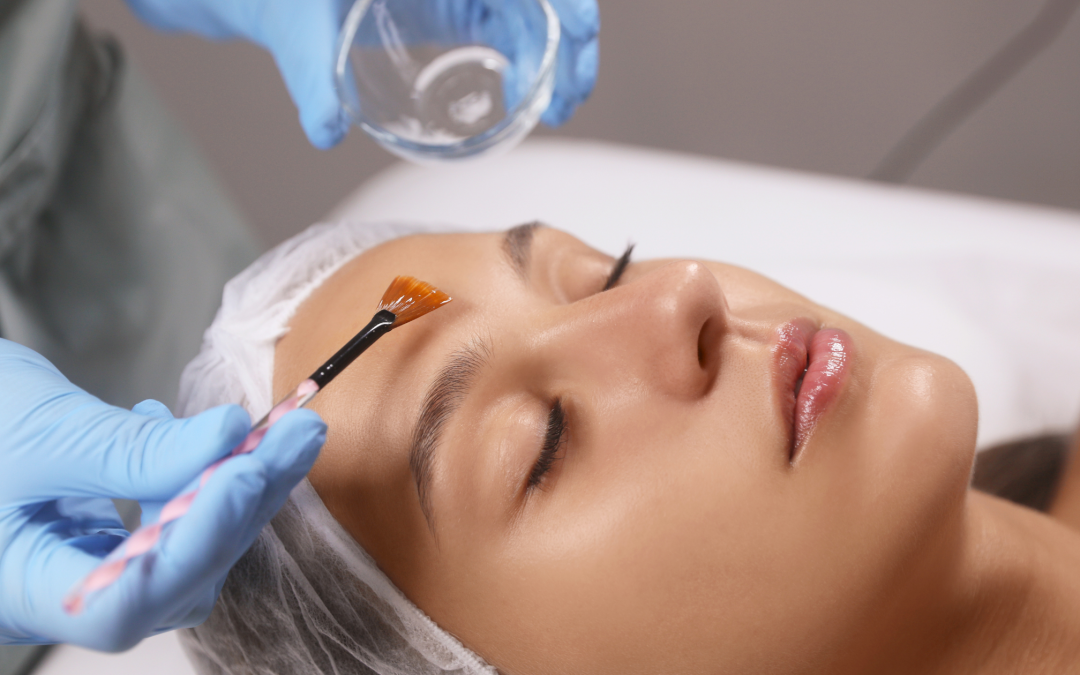

If your skin is looking dull, uneven, or textured after a busy summer, you may be considering treatments that go beyond your everyday skincare routine. One option is a chemical peel—a professional skin resurfacing treatment designed to exfoliate the outer layers of the skin and reveal smoother, fresher-looking skin underneath.
Despite the name, a chemical peel doesn’t necessarily mean dramatic peeling or an extensive recovery period. Peels are available in different strengths and formulations, and the right treatment depends on your skin type, concerns, and goals.
At Perman Naturopathic, we believe professional skincare should be individualized. If you’re considering a chemical peel in Ventura, understanding how the treatment works, what it can address, and what to expect afterward can help you make an informed decision about whether it’s right for your skin.
What Is a Chemical Peel?
A chemical peel is a type of professional exfoliation treatment. A carefully selected solution is applied to the skin to remove or loosen damaged outer skin cells and encourage natural renewal.
Depending on the formulation and depth of the peel, treatment may help improve the appearance of:
- Uneven skin texture
- Dullness
- Areas of discoloration
- Sun-related skin changes
- Fine lines
- Clogged pores
- Some types of acne
- The appearance of certain acne marks
Chemical peels range from superficial treatments with relatively little downtime to deeper procedures that require significantly more recovery.
Choosing the appropriate type of peel is one reason professional evaluation is so important.
What Does a Chemical Peel Actually Do?
Our skin naturally sheds old cells and replaces them with new ones, but this process can become less efficient over time.
Chemical peels use specific acids or other exfoliating ingredients to create controlled exfoliation. This removes some of the outermost skin cells and can help improve the appearance and texture of the skin as it renews.
Think of it as a more advanced form of exfoliation than you might achieve with an at-home scrub or exfoliating product.
The goal isn’t to aggressively strip the skin. Professional skin resurfacing should be carefully selected and performed according to the individual’s skin type and treatment goals.
Different Types of Chemical Peels
Not every chemical peel is the same. They are generally categorized by how deeply they penetrate the skin.
Superficial Peels
These are the mildest chemical peels and primarily affect the outermost layer of the skin.
They may be used to improve mild dullness, texture, or uneven tone and generally involve less downtime than stronger peels.
Medium Peels
Medium-depth peels penetrate further into the skin and may be considered for more noticeable discoloration, texture concerns, or signs of sun exposure.
These treatments generally require more recovery time.
Deep Peels
Deep chemical peels penetrate significantly further into the skin and involve substantially more downtime and risk. These are medical procedures that require appropriate medical evaluation and supervision.
For many people seeking routine skin rejuvenation, a lighter professional treatment may be more appropriate.
Who Can Benefit From a Chemical Peel?
Chemical peels can be beneficial for individuals who want to improve the overall appearance and texture of their skin.
You may consider discussing a peel with a qualified professional if you’re concerned about:
- Rough or uneven texture
- Dull-looking skin
- Uneven pigmentation
- Certain types of discoloration
- Fine lines
- Sun-related skin changes
- Congested pores
- Some acne-related concerns
However, not every skin type or skin condition should be treated in the same way.
A professional consultation allows your provider to evaluate your skin, discuss your goals, and determine whether a peel—or another treatment—is the more appropriate option.
Are Chemical Peels Safe?
Chemical peels can generally be performed safely when an appropriate peel is selected and administered by a qualified professional.
The key word is appropriate.
The strength of the peel, ingredients used, skin type, current skincare products, medications, history of pigmentation changes, sun exposure, and other individual factors can all influence treatment suitability and safety.
Trying to perform a strong chemical peel at home can increase the risk of irritation, burns, discoloration, and skin barrier damage.
Professional guidance is particularly important for advanced exfoliating treatments.
What Does a Chemical Peel Feel Like?
The experience varies depending on the type and strength of the peel.
During a superficial peel, you may notice:
- Tingling
- Warmth
- Mild stinging
- Temporary tightness
Afterward, the skin may appear slightly red or feel more sensitive. Some peels result in visible flaking or peeling over the following days, while lighter treatments may produce very little visible peeling at all.
A dramatic peel isn’t necessarily a better peel. The appropriate level of treatment depends on what your skin needs.
What Should You Expect After a Peel?
Your skin may be temporarily more sensitive following a chemical peel, making aftercare particularly important.
Your provider may recommend:
- Using a gentle cleanser
- Applying an appropriate moisturizer
- Avoiding harsh exfoliants or active ingredients
- Avoiding picking or pulling at peeling skin
- Limiting unnecessary sun exposure
- Using broad-spectrum sunscreen consistently
- Following all individualized aftercare instructions
Allowing the skin to recover naturally is important. Picking at flaking skin or introducing aggressive products too quickly may cause unnecessary irritation.
Sun Protection Is Especially Important
Sun protection is important year-round, but it becomes particularly important after skin resurfacing treatments.
Freshly treated skin can be more vulnerable to ultraviolet exposure. Consistent sun protection helps protect the skin during the recovery process and can help maintain the cosmetic benefits of your treatment.
September and fall can be a popular time to revisit professional skincare after months of summer sun, but sunscreen remains essential even as temperatures begin to cool.
Chemical Peels Are Only One Part of Healthy Skin
Professional treatments can help address specific cosmetic concerns, but long-term skin health still depends on consistent everyday care.
A holistic skincare routine may include:
- Gentle cleansing
- Appropriate hydration
- Daily sun protection
- Balanced nutrition
- Adequate water intake
- Quality sleep
- Stress management
- Professional treatments when appropriate
Your skin can also change with hormones, age, environment, lifestyle, and the seasons. The treatment that’s right for you today may not necessarily be what your skin needs six months from now.
Is a Chemical Peel Right for You?
The best way to determine whether a chemical peel is appropriate is to have your skin evaluated by a qualified professional.
Rather than choosing a treatment simply because it’s popular, consider what you’re actually hoping to improve. Someone concerned about mild dullness may need a very different approach than someone seeking help with noticeable discoloration or texture.
If you’re considering a chemical peel in Ventura, an individualized consultation can help determine which type of treatment best aligns with your skin, goals, and desired level of downtime.
Professional skincare isn’t about doing the most aggressive treatment possible. It’s about choosing the right treatment for your skin and supporting it appropriately before, during, and after the process.
Frequently Asked Questions
What does a chemical peel do?
A chemical peel creates controlled exfoliation of the skin’s outer layers. Depending on the type and strength, it may help improve the appearance of texture, dullness, discoloration, fine lines, and other cosmetic skin concerns.
Are chemical peels safe?
Chemical peels can generally be performed safely when an appropriate formulation and strength are selected and the treatment is administered by a qualified professional. Individual skin type, health history, medications, and other factors should be considered beforehand.
Who benefits most from a chemical peel?
People concerned about uneven texture, dullness, certain types of discoloration, sun-related skin changes, or other cosmetic concerns may benefit. A professional evaluation is important to determine whether a peel is appropriate for your individual skin.
How much downtime is there after a chemical peel?
It depends on the depth of the peel. Some superficial peels involve minimal downtime, while stronger peels can cause visible peeling, redness, and sensitivity for several days or longer. Your provider should explain what to expect before treatment.
Can I use my regular skincare products after a chemical peel?
Not necessarily. Some active ingredients and exfoliating products may need to be temporarily discontinued while your skin recovers. Follow the specific aftercare instructions provided by your skincare professional.
Disclaimer
The information provided on this blog is for educational and informational purposes only and is not intended as medical advice, diagnosis, or treatment. The content is not a substitute for professional medical care. Always consult with your physician or other qualified healthcare provider before making changes to your health regimen.
Permen Naturopathic does not diagnose, treat, or prescribe for medical conditions, and services are designed to support overall wellness through lifestyle and holistic approaches.