
When you think about supporting your immune system, your digestive health may not be the first thing that comes to mind. However, the gut and immune system are closely connected, making digestive wellness an important part of supporting overall health.
Your gastrointestinal tract does much more than digest food. It is home to trillions of microorganisms, interacts closely with immune cells, and provides an important barrier between the outside world and the rest of the body.
At Perman Naturopathic, we take a whole-body approach to wellness. Understanding the gut-immune connection can help you make everyday choices that support both digestive and immune health naturally.
Why Is the Gut So Important to the Immune System?
A large portion of the body’s immune system is associated with the gastrointestinal tract. This makes sense when you consider everything your digestive system encounters each day.
Food, microorganisms, and other substances regularly pass through the digestive tract. The immune system must continually distinguish between substances that are harmless and those that may require a response.
Specialized immune tissues throughout the gut help maintain this delicate balance.
Rather than viewing digestion and immunity as two completely separate systems, it can be helpful to recognize how closely they work together.
Meet Your Gut Microbiome
Your digestive tract is home to a vast community of bacteria and other microorganisms collectively known as the gut microbiome.
A healthy and diverse microbiome helps support:
- Normal digestion
- Nutrient metabolism
- The intestinal barrier
- Normal immune function
- Overall digestive wellness
The composition of the gut microbiome is influenced by many factors, including diet, stress, sleep, medications, environment, and lifestyle.
That’s one reason supporting digestive health isn’t about finding one “perfect” food or supplement. Healthy everyday habits matter.
Can Better Digestion Support Immunity?
Healthy digestion helps your body break down food and absorb the nutrients it needs to function properly. Many vitamins, minerals, amino acids, and other nutrients obtained through food are important for normal immune function.
Digestive health also helps maintain the intestinal barrier and supports a balanced gut environment.
This doesn’t mean improving digestion will prevent you from getting sick. Instead, supporting digestive wellness is one part of providing your body with a healthy foundation.
Fiber: An Important Part of Gut Health
Fiber deserves particular attention when discussing digestive wellness.
Unlike many other nutrients, certain types of dietary fiber aren’t completely broken down by our own digestive enzymes. Instead, they can be fermented by beneficial gut bacteria.
This process produces compounds, including short-chain fatty acids, that help support the cells lining the colon and contribute to a healthy intestinal environment.
Fiber also supports regular bowel movements and overall digestive function.
Natural Sources of Fiber
Increasing the variety of plant foods in your diet is one way to naturally increase fiber intake.
Fiber-rich foods include:
- Vegetables
- Fruits
- Beans and lentils
- Whole grains
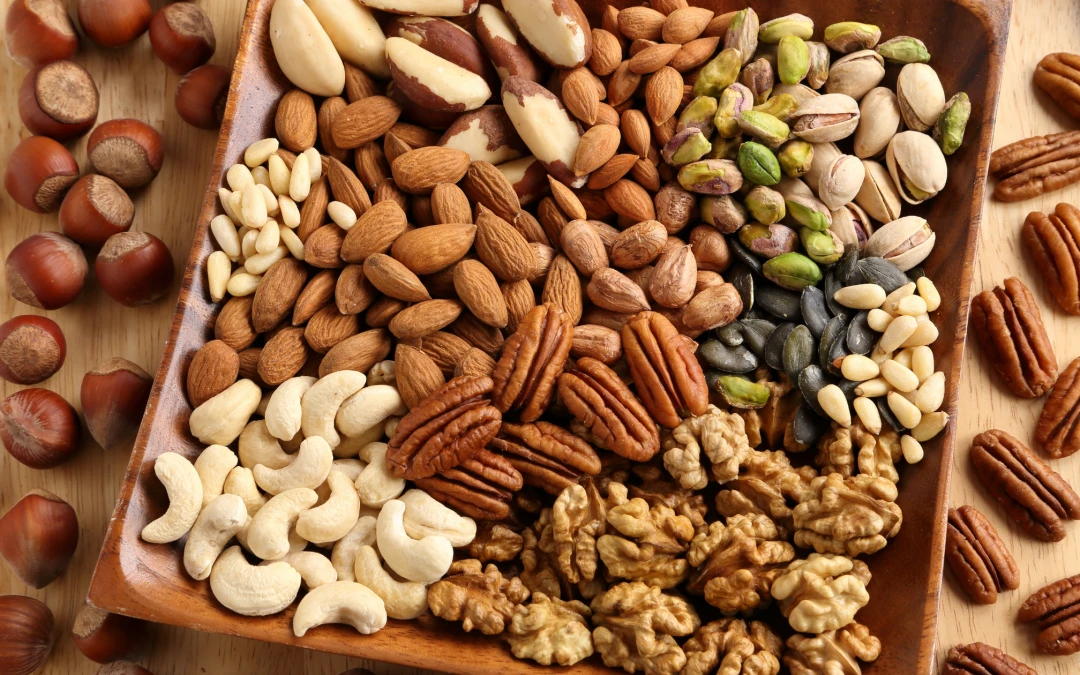
- Nuts and seeds
- Oats
- Berries
- Apples and pears
- Leafy greens
- Sweet potatoes
Rather than relying on one particular food, aim for variety. Different plant foods provide different types of fiber and nutrients.
If you aren’t accustomed to eating much fiber, increase your intake gradually and drink adequate fluids. Increasing fiber too quickly may cause temporary gas or bloating for some people.
What About Fermented Foods?
Fermented foods can be another way to add variety to your diet.
Examples include:
- Yogurt with live cultures
- Kefir
- Sauerkraut
- Kimchi
- Miso
- Tempeh
Some fermented foods contain live microorganisms, while others may not by the time they’re consumed. They can still be part of a varied, nutrient-rich diet.
Not every food is appropriate for every individual, particularly for people with certain digestive concerns or dietary restrictions. Personalized guidance can help determine what works best for you.
Stress Can Affect Your Gut, Too
Have you ever experienced “butterflies” before an important event or digestive discomfort during a stressful period?
That’s not a coincidence.
The digestive system and brain communicate through what’s commonly called the gut-brain axis. Stress can influence digestion, appetite, bowel habits, and the gut environment.
Supporting your digestive health therefore isn’t only about what you eat.
Stress-management practices such as regular movement, adequate rest, deep breathing, mindfulness, and making time for activities you enjoy can all be part of a holistic approach to gut wellness.
Sleep, Digestion & Immune Wellness
Quality sleep is another piece of the puzzle.
Sleep supports numerous restorative processes throughout the body and plays an important role in normal immune function. Sleep patterns may also influence digestive health and the gut microbiome.
A consistent bedtime, relaxing evening routine, comfortable sleeping environment, and reduced screen exposure before bed can help support better sleep habits.
Do You Need a Probiotic Supplement?
Probiotics have become extremely popular, but more isn’t necessarily better.
Different probiotic products contain different strains and quantities of microorganisms, and their effects can vary. A product that is appropriate for one person may not necessarily be appropriate for another.
Before beginning probiotics or other supplements—particularly if you have existing health concerns or take medications—talk with a qualified healthcare professional.
Supplements should complement healthy habits rather than replace them.
Supporting the Gut-Immune Connection Naturally
There isn’t one single strategy for creating a “healthy gut.” Your digestive system is influenced by your diet, stress, sleep, activity level, hydration, and many other aspects of your lifestyle.
Consider starting with the fundamentals:
- Eat a diverse range of whole and plant-based foods.
- Include adequate dietary fiber.
- Stay hydrated.
- Move your body regularly.
- Prioritize quality sleep.
- Find healthy ways to manage stress.
- Pay attention to how different foods make you feel.
Small, sustainable habits can often be more valuable than extreme diets, cleanses, or short-term wellness trends.
Supporting Wellness From the Inside Out
Your digestive system is connected to far more than what happens after you eat. The close relationship between the gut microbiome, intestinal barrier, and immune system is an important reminder that the body functions as an interconnected whole.
As we head into fall, supporting your gut health can be one part of a broader approach to seasonal wellness. Nourishing your body, prioritizing digestion, getting adequate rest, managing stress, and maintaining healthy daily routines can all help provide the foundation your body needs to function at its best.
Frequently Asked Questions
Is most of the immune system in the gut?
A large portion of the body’s immune tissue and immune activity is associated with the gastrointestinal tract. The gut serves as an important interface between the body and substances from the outside environment, which is one reason immune activity is concentrated there.
Can improving digestion support immunity?
Yes. Healthy digestion supports nutrient absorption, the intestinal barrier, and a balanced gut environment—all of which contribute to overall health and normal immune function.
Is fiber important for gut and immune health?
Very. Fiber supports healthy digestion and regularity, and certain fibers provide fuel for beneficial gut bacteria. A varied, fiber-rich diet can help support a healthy gut environment.
What foods are good for gut health?
A diverse diet containing vegetables, fruits, beans, lentils, whole grains, nuts, seeds, and other fiber-rich foods can support digestive health. Some people may also benefit from incorporating fermented foods when appropriate.
Are probiotics necessary for a healthy gut?
Not necessarily. Probiotic supplements may be helpful in certain situations, but they aren’t a replacement for a varied, nutrient-rich diet and healthy lifestyle. Individual needs vary, so it’s best to discuss supplements with a qualified healthcare professional.
Disclaimer
The information provided on this blog is for educational and informational purposes only and is not intended as medical advice, diagnosis, or treatment. The content is not a substitute for professional medical care. Always consult with your physician or other qualified healthcare provider before making changes to your health regimen.
Permen Naturopathic does not diagnose, treat, or prescribe for medical conditions, and services are designed to support overall wellness through lifestyle and holistic approaches.