
We’ve all experienced those moments when life gets a little overwhelming. Between busy schedules, work responsibilities, family commitments, and everyday challenges, stress can become a regular part of our lives.
But have you ever noticed that your skin seems to react when you’re feeling particularly stressed?
Maybe you experience an unexpected breakout before an important event, notice that your complexion looks dull after a busy week, or find that your skin feels more sensitive than usual.
These changes aren’t always a coincidence.
The connection between stress and skin health is an important part of understanding how our bodies respond to everyday life. While stress affects everyone differently, it can influence several processes that contribute to the appearance and condition of our skin.
At Permen Naturopathic, we believe that skincare is about more than what we apply to the surface. Supporting healthy-looking skin also means considering lifestyle habits, emotional well-being, and the importance of making time for self-care.
Understanding the Connection Between Stress and Skin
Your skin is your body’s largest organ, and it responds to changes happening both internally and externally.
When you experience stress, your body activates a series of physiological responses designed to help you manage challenging situations.
One part of this process involves the release of stress-related hormones, including cortisol.
Cortisol plays an important role in regulating energy availability, metabolism, and the body’s response to stress.
However, ongoing stress may influence several processes associated with skin health, including inflammation, oil production, and skin barrier function.
The relationship between stress and skin is also influenced by individual factors such as genetics, existing skin conditions, sleep, and skincare habits.
This means that stress won’t affect everyone’s complexion in the same way.
For some people, changes may be noticeable. For others, the effects may be subtle.
5 Ways Stress Can Show Up on Your Face
Stress can influence the skin in several ways, although these changes may also have other underlying causes.
Recognizing potential patterns can help you become more aware of your skin’s needs.
1. Unexpected Breakouts
Have you ever noticed a breakout appearing during a particularly stressful week?
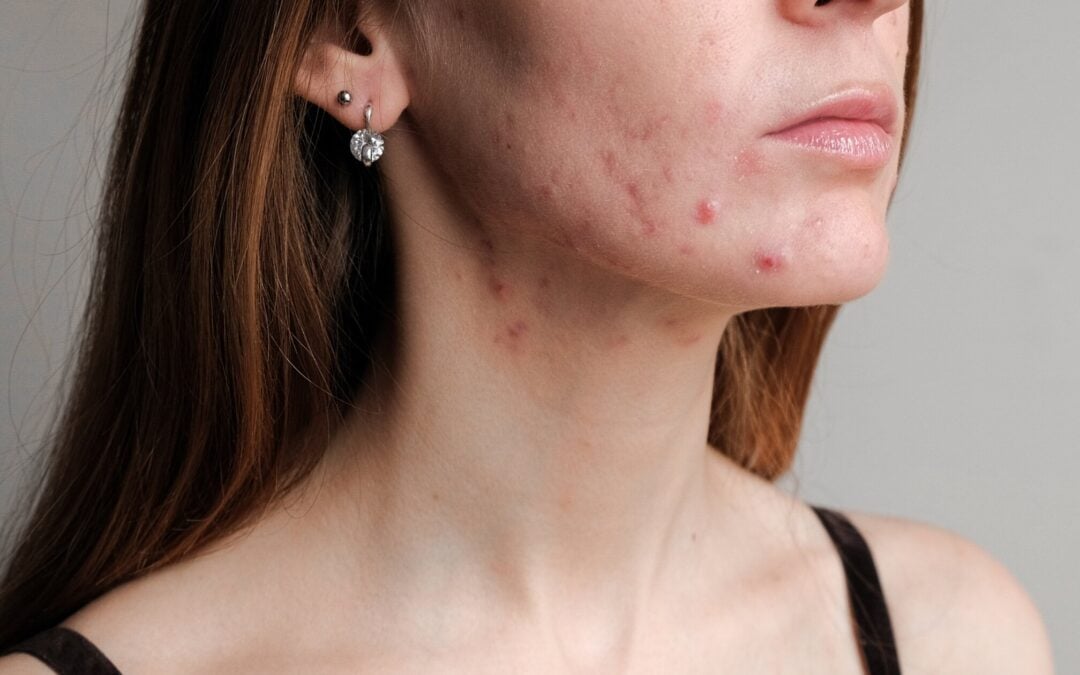
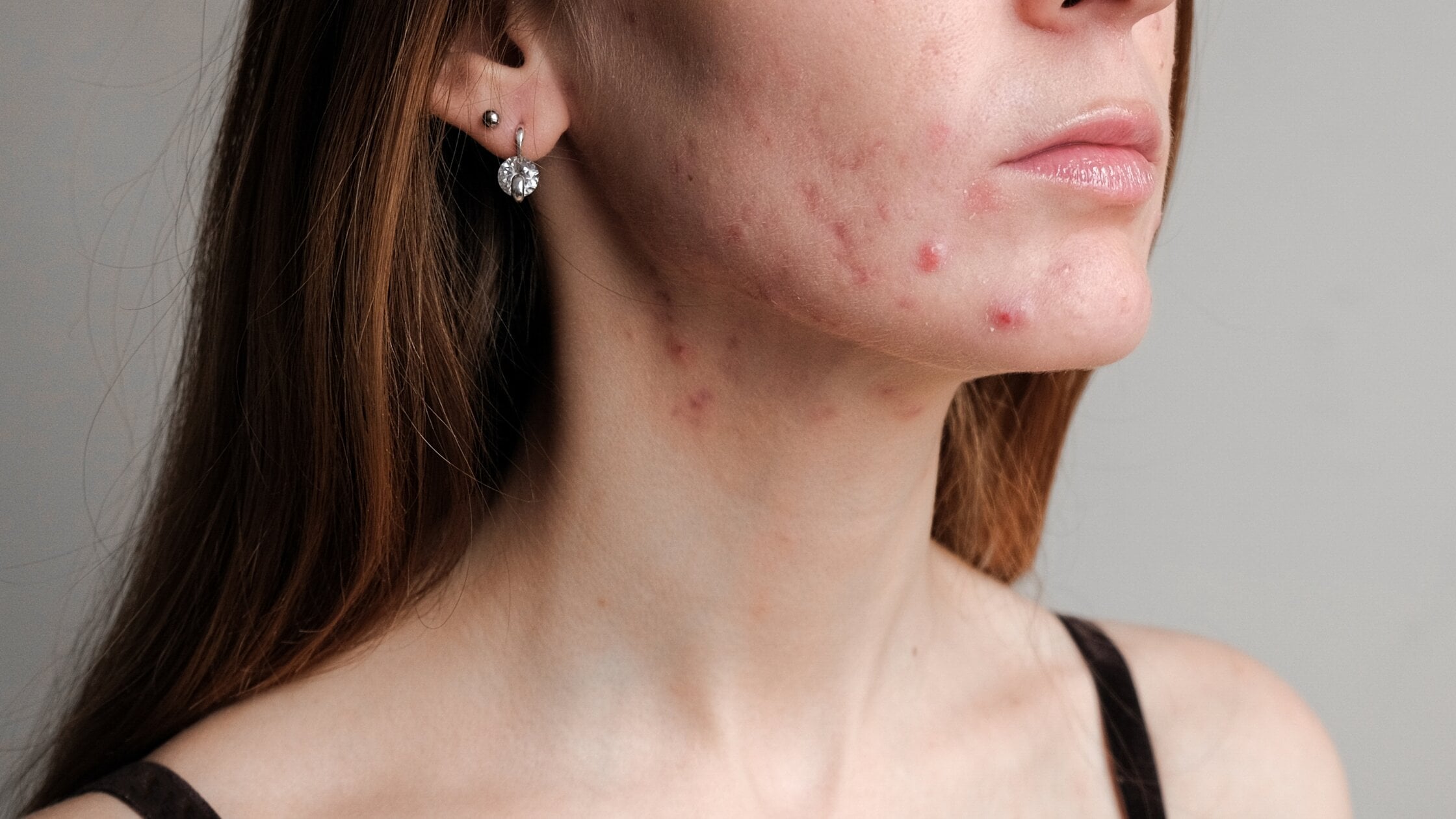
Stress may contribute to acne flare-ups in some individuals.
Stress-related hormonal and inflammatory changes can influence the processes involved in acne, including oil production and inflammation.
However, acne is complex and can also be affected by genetics, hormones, medications, and skincare products.
If you experience frequent breakouts, maintaining a gentle skincare routine and seeking appropriate professional guidance may be helpful.
2. Dull or Tired-Looking Skin
When you’re overwhelmed, skincare may become less of a priority.
Late nights, inconsistent routines, and inadequate sleep can contribute to a complexion that looks tired or less radiant.
Stress may also affect skin barrier function, which can influence how well the skin retains moisture.
When skin becomes dehydrated or dry, fine lines and uneven texture may appear more noticeable.
Focusing on hydration, sleep, and consistent skincare can help support a refreshed appearance.
3. Increased Sensitivity
During stressful periods, some individuals notice that their skin feels more reactive.
Products that normally feel comfortable may suddenly cause irritation, or existing sensitivity may become more noticeable.
Stress can influence inflammatory pathways and skin barrier function, potentially contributing to discomfort in susceptible individuals.
Signs of sensitivity may include:
- Redness
- Tightness
- Dryness
- Itching
- Stinging when applying products
- Increased irritation
If your skin becomes sensitive, simplifying your routine and avoiding harsh products may help.
Persistent or significant symptoms should be evaluated by a qualified healthcare professional.
4. Dryness and Changes in Skin Texture
Your skin barrier plays an essential role in retaining moisture and protecting against environmental irritants.
Research suggests that psychological stress can negatively affect aspects of skin barrier function in some circumstances.
When the barrier isn’t functioning optimally, skin may lose moisture more easily.
This can contribute to:
- Dry patches
- Rough texture
- Flaking
- Tightness
- Increased sensitivity
Gentle cleansing and consistent moisturizing can help support the skin’s protective barrier.
5. Flare-Ups of Existing Skin Concerns
For individuals with certain skin conditions, stress may be associated with worsening symptoms.
Conditions such as eczema, psoriasis, and acne can sometimes flare during periods of increased stress.
However, these conditions involve multiple contributing factors, and stress is not necessarily the primary cause.
If you experience recurring or worsening symptoms, consult a qualified healthcare provider for appropriate evaluation and care.
The Role of Sleep in Skin Health
Stress and sleep often influence one another.
When you’re feeling overwhelmed, falling asleep or staying asleep may become more difficult.
At the same time, inadequate sleep can affect your mood, energy, and ability to manage everyday challenges.
Sleep is also important for normal skin function and recovery.
Maintaining consistent sleep habits may help support your overall well-being and the appearance of your skin.
Consider these simple habits:
- Maintain a regular bedtime and wake-up schedule.
- Create a calming evening routine.
- Limit caffeine later in the day.
- Reduce screen time before bed.
- Keep your bedroom comfortable and dark.
- Allow yourself time to unwind.
A consistent sleep routine is one of the many ways you can support both physical and emotional wellness.
Can Professional Facials Help Stressed Skin?
Professional facials can be a helpful addition to a skincare routine, especially when stress and changes in daily habits leave your skin feeling dry, dull, or in need of extra attention.
Although facials don’t eliminate the underlying causes of stress, they can provide an opportunity to slow down, relax, and focus on self-care.
Depending on the treatment, professional facials may help:
- Replenish moisture
- Improve the appearance of dullness
- Support smoother-looking skin
- Address certain cosmetic concerns
- Promote relaxation during the treatment
- Provide personalized skincare guidance
The best facial depends on your skin type, sensitivity, and individual goals.
If you’re looking for a facial in Ventura, a personalized consultation can help determine which treatment may be appropriate for your current skincare needs.
Hydrating Facials for Dry, Tired-Looking Skin
When stress, seasonal changes, or inconsistent skincare contribute to dryness, a hydrating facial may help restore a softer, more refreshed appearance.
Hydrating facials typically focus on replenishing moisture and supporting the skin barrier.
Depending on the products and techniques used, these treatments may help:
- Improve the appearance of dry skin
- Reduce the visibility of dehydration-related fine lines
- Leave skin feeling softer
- Support a smoother-looking complexion
- Create a more radiant appearance
Hydration is especially important when skin feels tight or uncomfortable.
A skincare professional can recommend treatments and products suited to your skin’s individual needs.
The Relaxation Benefits of Facials
Sometimes, the most valuable part of a facial is simply having an opportunity to slow down.
A quiet treatment environment, gentle skincare techniques, and time away from daily responsibilities can create a relaxing experience.
Some individuals find that facial massage and other soothing elements of a treatment help them feel calmer and more refreshed.
While these experiences may support relaxation, facials should not be considered a medical treatment for chronic stress, anxiety, or other health conditions.
Instead, they can be one enjoyable part of a broader self-care routine.
Taking time for yourself doesn’t have to be complicated.
Even an occasional opportunity to disconnect from a busy schedule can feel meaningful.
Everyday Habits That Support Skin During Stressful Times
Professional skincare can complement your routine, but everyday habits remain an important foundation for maintaining healthy-looking skin.
1. Keep Your Skincare Routine Simple
When your skin feels stressed or sensitive, using too many products can sometimes make irritation worse.
Focus on the basics:
- Gentle cleanser
- Moisturizer suited to your skin type
- Broad-spectrum sunscreen with SPF 30 or higher
Additional products can be incorporated based on your individual needs and tolerance.
2. Prioritize Hydration
Adequate hydration supports normal body function, while topical moisturizers help reduce water loss from the skin.
If your skin feels dry, consider products containing ingredients such as glycerin, ceramides, or hyaluronic acid.
3. Practice Stress-Management Techniques
Simple relaxation practices may help support emotional well-being.
Consider:
- Deep, comfortable breathing
- Meditation
- Gentle stretching
- Spending time outdoors
- Journaling
- Listening to calming music
- Making time for enjoyable activities
The goal isn’t to eliminate every stressful moment but to develop habits that help you manage everyday challenges.
4. Maintain Balanced Nutrition
A varied diet provides nutrients that support normal skin structure and function.
Consider including colorful fruits and vegetables, protein-rich foods, healthy fats, and fiber-rich whole grains.
Rather than following restrictive rules, focus on nourishing your body consistently.
5. Make Time for Movement
Regular physical activity can support mood, sleep, and overall health.
Walking, yoga, swimming, or other enjoyable activities can provide opportunities to release tension and step away from daily responsibilities.
6. Protect Your Sleep
Consistent, quality sleep supports your body’s normal recovery processes.
Try to maintain a manageable evening routine, especially during busy or stressful periods.
Why More Skincare Isn’t Always Better
When stress-related skin concerns appear, it’s tempting to add new products or increase the frequency of exfoliation.
However, aggressive skincare can sometimes contribute to further irritation.
Overusing exfoliating acids, scrubs, or other active ingredients may disrupt the skin barrier, particularly when your skin is already sensitive.
Instead, focus on gentle consistency.
If you’re experiencing breakouts, dryness, or irritation, a skincare professional can help you evaluate your cosmetic skincare routine and identify products that may be more appropriate.
For persistent acne, rashes, or other medical skin concerns, consult a dermatologist or other qualified healthcare professional.
Creating a Skincare Routine That Supports Your Lifestyle
Healthy-looking skin doesn’t require a complicated routine or perfect habits.
In fact, the most effective approach is often one that fits comfortably into your everyday life.
Consider establishing a few simple practices:
Morning: Gently cleanse as needed, moisturize, and apply sunscreen.
Throughout the day: Stay hydrated, take breaks when possible, and avoid touching or picking at your skin.
Evening: Remove makeup, cleanse gently, moisturize, and create time to unwind before bed.
Periodically: Consider a professional facial based on your skin’s needs and personal preferences.
Small, consistent habits can help you care for your complexion even during demanding seasons.
A Holistic Approach to Stress and Skin Wellness
The relationship between stress and skin reminds us that our bodies are interconnected.
Our emotional well-being, sleep patterns, nutrition, daily habits, and skincare routines can all influence how we look and feel.
At Permen Naturopathic, we encourage an approach to wellness that considers these connections.
While professional skincare treatments can help address cosmetic concerns, supporting your overall well-being is just as important.
That might mean making more time for rest, simplifying your skincare routine, setting healthier boundaries, or finding relaxing activities you genuinely enjoy.
The goal isn’t perfect skin or a stress-free life.
It’s developing supportive habits that help you feel comfortable and confident in your skin.
Give Your Skin a Little Extra Care
Life can be demanding, and your skin may occasionally reflect the changes happening in your daily routine.
Rather than responding with harsh products or unrealistic expectations, consider approaching your skincare with patience and consistency.
Gentle cleansing, hydration, adequate sleep, and healthy stress-management habits can all contribute to a supportive skincare routine.
And when your complexion needs a little extra attention, a professional facial can provide an opportunity for personalized care and relaxation.
If you’re considering a facial in Ventura, choosing a treatment suited to your skin’s current needs can help you enjoy a refreshed, healthy-looking complexion while making time for yourself.
Remember, caring for your skin isn’t only about appearance. It’s also an opportunity to practice self-care and support your overall sense of well-being.
Frequently Asked Questions
Does stress really affect your skin?
Yes. Stress can influence hormonal activity, inflammation, and skin barrier function. For some individuals, this may contribute to acne flare-ups, dryness, sensitivity, or changes in skin appearance. However, skin concerns can have many causes.
Can stress cause breakouts and dull-looking skin?
Stress may contribute to acne flare-ups in some people, while related lifestyle changes, such as inadequate sleep and inconsistent skincare, can leave skin looking tired or dull. A consistent routine and appropriate skincare may help support your complexion.
How can I manage stress-related skin concerns?
Focus on gentle skincare, adequate sleep, balanced nutrition, regular movement, and healthy stress-management habits. If skin symptoms are persistent or worsening, consult a qualified healthcare professional.
Do facials help reduce stress?
Facials can provide a relaxing self-care experience, and some people find the gentle techniques and peaceful environment soothing. However, facials are not a medical treatment for stress or anxiety.
What type of facial is best when my skin feels stressed?
Hydrating and gentle facials may be helpful when skin feels dry, dull, or sensitive. The best treatment depends on your skin type and specific concerns. A skincare professional can help recommend an appropriate option.
Disclaimer
The information provided on this blog is for educational and informational purposes only and is not intended as medical advice, diagnosis, or treatment. The content is not a substitute for professional medical care. Always consult with your physician or other qualified healthcare provider before making changes to your health regimen.
Permen Naturopathic does not diagnose, treat, or prescribe for medical conditions, and services are designed to support overall wellness through lifestyle and holistic approaches.