
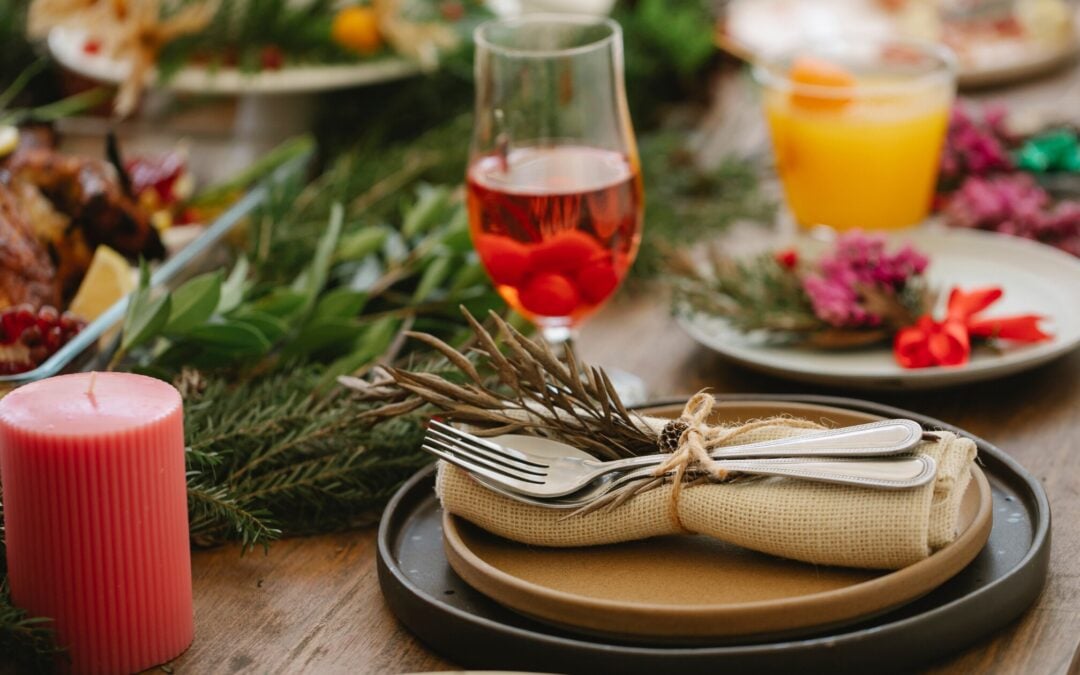
The holiday season is filled with traditions, celebrations, and opportunities to gather around the table with loved ones. From favorite family recipes to festive desserts and special meals, food is often an important part of what makes this time of year meaningful.
But for many people, the holidays can also bring added pressure around eating. Between messages about avoiding certain foods, maintaining strict routines, or compensating for indulgent meals, it’s easy to lose sight of what balanced nutrition really means.
The truth is that healthy eating doesn’t have to mean restriction.
At Permen Naturopathic, we believe that wellness is about supporting the whole person. A balanced approach to nutrition considers not only what you eat, but also your lifestyle, emotional well-being, and relationship with food.
By focusing on nourishment, flexibility, and mindful choices, you can enjoy the holiday season while continuing to support your overall health.
What Does Eating for Balance Really Mean?
Balanced nutrition isn’t about following a perfect diet or eliminating every food you enjoy.
Instead, it’s about developing consistent eating habits that provide your body with the nutrients it needs while allowing room for enjoyment, variety, and flexibility.
A balanced eating pattern generally includes:
- Colorful fruits and vegetables
- Quality sources of protein
- Fiber-rich whole grains
- Healthy fats
- Adequate hydration
- A variety of satisfying foods
It also leaves room for birthday cake, holiday cookies, family recipes, and other foods that bring enjoyment.
Rather than evaluating your health based on one meal, consider the overall pattern of your eating habits.
What you do consistently matters more than any single holiday celebration.
Why Restrictive Eating Can Create More Stress
During the holidays, it’s common to hear advice about avoiding carbohydrates, skipping dessert, or exercising extra to make up for a large meal.
While these messages may sound like ways to maintain control, overly rigid food rules can sometimes create unnecessary stress.
For some individuals, restrictive eating patterns may contribute to:
- Increased preoccupation with food
- Feelings of guilt after eating
- Difficulty recognizing hunger and fullness
- Reduced enjoyment of meals
- Cycles of restriction and overeating
- Anxiety around social gatherings
A more flexible approach allows you to make thoughtful choices without treating food as something to fear.
Instead of asking, “What foods should I avoid?” consider asking, “How can I nourish my body while still enjoying the season?”
Is Holiday Indulgence Harmful?
Enjoying special foods during the holidays is not inherently harmful.
A festive meal, favorite dessert, or occasional change in your normal eating routine doesn’t automatically undo your healthy habits.
Your body is designed to process a variety of foods, and nutrition should be considered within the context of your overall lifestyle.
Of course, individual dietary needs vary. People managing diabetes, food allergies, digestive conditions, or other medical concerns may need to follow specific recommendations from their healthcare providers.
For many others, the goal is simply to maintain a balanced eating pattern while allowing room for foods they enjoy.
Moderation is about flexibility and consistency, not deprivation.
Build Balanced Meals Without Strict Rules
One way to support holiday eating balance is to focus on including a variety of nutrients throughout the day.
Rather than concentrating only on what you should limit, think about what you can add to your meals.
Include Protein
Protein helps support muscle maintenance, tissue repair, and normal body functions. It can also contribute to feelings of fullness after eating.
Examples include:
- Fish
- Poultry
- Eggs
- Beans and lentils
- Tofu
- Yogurt
- Nuts and seeds
Make Room for Fiber
Fiber supports digestive health and can help promote regular bowel movements.
Fiber-rich foods include:
- Vegetables
- Fruits
- Whole grains
- Beans
- Lentils
- Nuts
- Seeds
Incorporate Healthy Fats
Healthy fats provide energy and help the body absorb certain vitamins.
Consider foods such as olive oil, avocado, nuts, seeds, and fatty fish.
Enjoy Carbohydrates
Carbohydrates are an important source of energy.
Whole grains, fruits, beans, and starchy vegetables can provide valuable nutrients and fiber.
And yes, enjoying holiday bread, potatoes, or dessert can still fit into a balanced eating pattern.
The goal is to create satisfying meals rather than follow rigid rules.
Can Guilt and Stress Affect Digestion?
Our emotional state and digestive system are closely connected through what is often called the gut-brain axis.
This communication network involves the nervous system, hormones, and other signals that help coordinate digestive processes.
When we’re stressed, the body may change aspects of digestive function, including gut movement and sensitivity.
For some individuals, stress can contribute to symptoms such as:
- Bloating
- Abdominal discomfort
- Changes in bowel habits
- Nausea
- Changes in appetite
Food-related guilt can contribute to emotional stress, although it doesn’t necessarily cause digestive problems on its own.
This is one reason a supportive relationship with food matters.
Rather than criticizing yourself after eating something indulgent, try approaching meals with greater awareness and self-compassion.
If digestive symptoms are persistent or concerning, consult a qualified healthcare professional to evaluate possible causes.
Practice Mindful Eating
Mindful eating involves paying attention to the experience of eating without unnecessary judgment.
It encourages awareness of hunger, fullness, satisfaction, and the sensory experience of food.
During the holidays, mindful eating may help you feel more connected to your meals and less distracted by food-related rules.
Try these simple practices:
- Sit down and enjoy meals when possible.
- Slow down enough to notice flavors and textures.
- Pay attention to hunger and fullness cues.
- Choose foods you genuinely enjoy.
- Allow yourself to feel satisfied.
- Avoid labeling foods as morally “good” or “bad.”
Mindful eating isn’t about controlling every bite.
It’s about creating a more intentional and enjoyable relationship with food.
Don’t Skip Meals to Prepare for Holiday Celebrations
It’s tempting to skip breakfast or lunch when you know a large holiday dinner is coming.
However, going long periods without eating may leave you feeling excessively hungry, tired, or uncomfortable by the time the celebration begins.
For many people, maintaining regular meals and snacks can help support consistent energy and make it easier to enjoy food comfortably.
Consider having a balanced breakfast and lunch, even when you’re planning a special dinner.
You don’t need to “earn” a holiday meal by restricting food earlier in the day.
Stay Hydrated Throughout the Season
Busy schedules, travel, and changes in routine can make it easy to forget about hydration.
Water supports digestion, circulation, temperature regulation, and many other essential body functions.
Simple ways to maintain hydration include:
- Keeping a water bottle nearby
- Drinking water regularly throughout the day
- Including water-rich fruits and vegetables
- Drinking water with meals
- Paying attention to thirst
Hydration needs vary depending on activity, climate, medications, and individual health conditions.
Rather than following a rigid rule, focus on maintaining hydration appropriate for your needs.
Keep Movement Enjoyable
Physical activity is an important part of overall wellness, but it shouldn’t be used as punishment for eating.
You don’t need to exercise extra to compensate for enjoying a holiday meal.
Instead, think of movement as an opportunity to support your energy, mood, strength, and physical well-being.
Consider:
- Taking a walk with family
- Enjoying a morning stretch
- Dancing at a holiday gathering
- Practicing yoga
- Spending time outdoors
- Maintaining your usual exercise routine when possible
Choose movement because it supports how you feel, not because you need to make up for what you ate.
Flexibility Is Part of Long-Term Wellness
Healthy habits should be able to adapt to real life.
There will be days when meals are carefully planned and others when you’re eating at a family gathering, traveling, or enjoying a spontaneous celebration.
That’s normal.
A flexible approach to nutrition allows you to maintain a healthy foundation without expecting every day to look exactly the same.
Instead of aiming for perfection, focus on consistency over time.
If your routine changes during the holidays, simply return to your usual habits when you’re ready.
There’s no need for extreme restrictions, detoxes, or compensatory behaviors.
Focus on Connection, Not Just the Food
Holiday meals are often about much more than nutrition.
They’re opportunities to connect with loved ones, celebrate traditions, and create memories.
A favorite family recipe may hold emotional or cultural meaning that goes beyond its ingredients.
Allowing yourself to appreciate these experiences can be an important part of enjoying the season.
Consider shifting some of your attention away from food rules and toward the people and moments that make holiday gatherings special.
Wellness includes emotional and social well-being, too.
A Holistic Approach to Holiday Eating Balance
At Permen Naturopathic, we believe that supporting wellness involves creating habits that nourish both the body and mind.
During the holiday season, that may mean:
- Eating balanced, satisfying meals
- Enjoying favorite holiday foods without unnecessary guilt
- Maintaining adequate hydration
- Practicing mindful eating
- Prioritizing rest
- Managing stress
- Staying physically active in enjoyable ways
- Allowing flexibility in your routine
Healthy eating isn’t defined by one meal, one celebration, or one season.
It’s built through sustainable habits that support your individual needs over time.
Give Yourself Permission to Enjoy the Season
The holidays don’t have to become a choice between enjoying food and caring for your health.
You can do both.
By focusing on nourishment instead of restriction, you can create a healthier relationship with food while continuing to support your overall wellness.
Remember that balance doesn’t mean eating perfectly. It means allowing room for variety, enjoyment, and the changing rhythms of everyday life.
This holiday season, give yourself permission to enjoy meaningful meals, celebrate traditions, and care for your body with kindness.
Because holiday eating balance isn’t about following more rules. It’s about finding an approach to nutrition that supports your health while allowing you to enjoy life.
Frequently Asked Questions
Is indulging in holiday foods harmful to my health?
Occasionally enjoying rich meals, desserts, or other holiday favorites is not inherently harmful for most people. Overall dietary patterns are generally more meaningful than one meal. Individuals with specific medical conditions may need personalized dietary guidance.
Can guilt or stress around food affect digestion?
Stress can influence digestive function through the gut-brain axis and may contribute to symptoms such as bloating or abdominal discomfort in some individuals. Food-related guilt can add to emotional stress, although digestive symptoms can have many causes.
Is flexibility important for healthy eating?
Yes. Flexibility allows you to maintain nutritious habits while adapting to celebrations, travel, and changes in routine. For many people, a sustainable approach is more beneficial than following overly restrictive food rules.
Should I skip meals before a large holiday dinner?
Generally, there’s no need to skip meals to compensate for a holiday celebration. Eating regular, balanced meals may help support energy and prevent excessive hunger later in the day.
How can I maintain balanced nutrition during the holidays?
Focus on including nutrient-dense foods, eating satisfying meals, staying hydrated, and maintaining regular movement and sleep. Allow yourself to enjoy holiday traditions without treating individual foods or meals as failures.
Disclaimer
The information provided on this blog is for educational and informational purposes only and is not intended as medical advice, diagnosis, or treatment. The content is not a substitute for professional medical care. Always consult with your physician or other qualified healthcare provider before making changes to your health regimen.
Permen Naturopathic does not diagnose, treat, or prescribe for medical conditions, and services are designed to support overall wellness through lifestyle and holistic approaches.